With the growing demand for renewable energy solutions, solar panels have become a popular choice for homeowners looking to reduce their energy bills and carbon footprint. However, when deciding to install solar panels, one critical choice you’ll need to make is whether to go for on-roof or in-roof solar panels. Each option has unique advantages, and the right choice depends on your property, budget, and aesthetic preferences. Let’s break down the differences to help you make an informed decision.
What Are On-Roof Solar Panels?
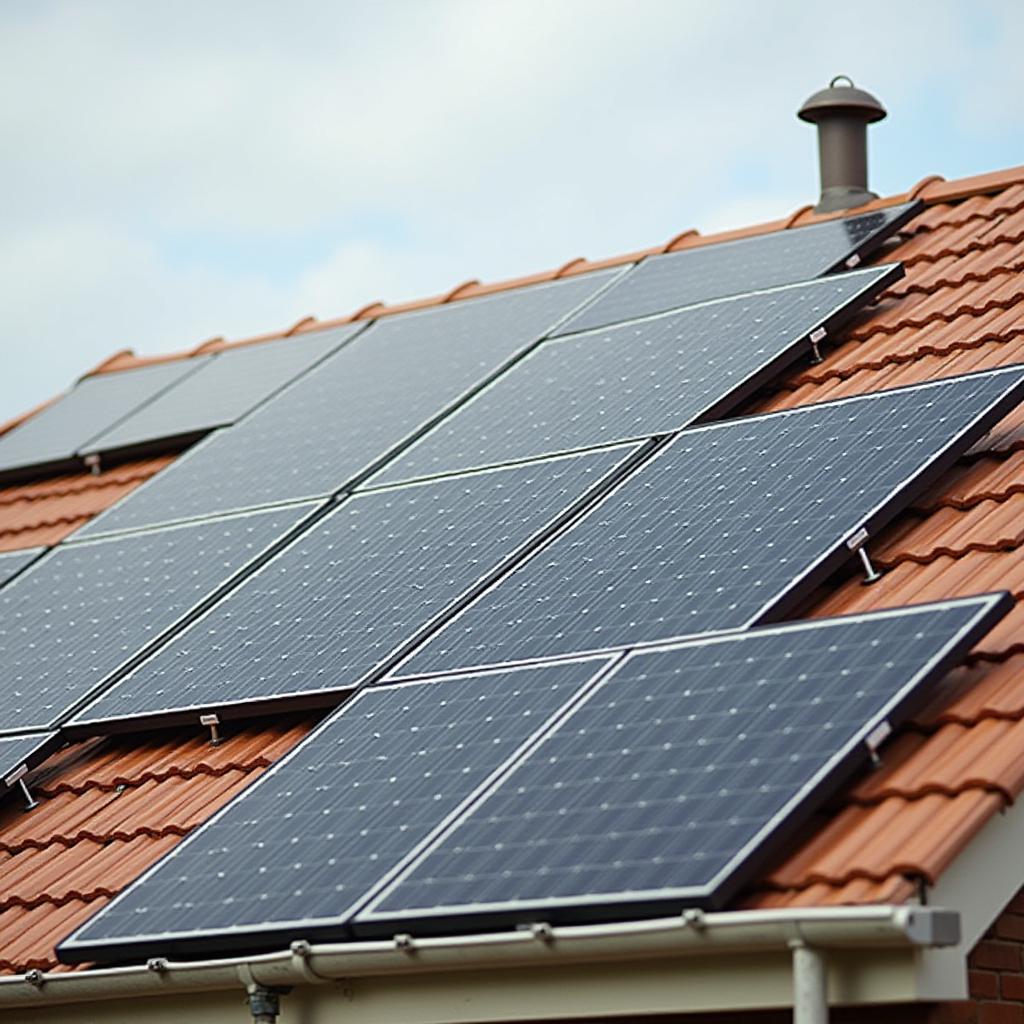
On-roof solar panels are the more common type of solar installation. They are mounted on top of an existing roof using brackets and a frame structure.
Advantages of On-Roof Solar Panels:
- Cost-Effective: On-roof systems are generally cheaper to install since they don’t require any roof modifications.
- Flexible Installation: They can be installed on almost any roof type, regardless of the material or structure.
- Easier Maintenance: Because the panels are mounted externally, they’re easier to access for cleaning or repair.
- Retrofitting Capability: Ideal for existing buildings, as they don’t require removing parts of the roof.
Drawbacks of On-Roof Solar Panels:
- Aesthetic Impact: On-roof systems are more visible, which might detract from the appearance of your home.
- Wind Resistance: Since they are raised, they may be slightly more prone to wind lift.
What Are In-Roof Solar Panels?
In-roof solar panels, also known as integrated solar panels, are built directly into the roof structure. Instead of sitting on top of the roof, they replace a section of the roof tiles or slates.
Advantages of In-Roof Solar Panels:
- Sleek Design:
These panels blend seamlessly with the roof, offering a more attractive and modern look. - Space-Saving:
They integrate directly into the roof, which can save space compared to mounting panels above. - Weatherproofing:
In-roof systems often contribute to the roof’s weatherproofing layer, making them dual-purpose. - Increased Property Value:
The aesthetic and functional integration can enhance the resale appeal of the property.
Drawbacks of In-Roof Solar Panels:
- Higher Costs:
In-roof installations are typically more expensive due to the additional labor and materials required for integration. - Limited Retrofitting Options:
Best suited for new builds or roof renovations, as installing them on an existing roof can be complex. - Efficiency Concerns:
In-roof panels can be less efficient than on-roof panels due to reduced ventilation, which can cause them to overheat.
Key Factors to Consider:
- Budget:
If cost is a major concern, on-roof systems are generally more affordable. However, if aesthetics and long-term value are priorities, the investment in in-roof panels may be worthwhile. - Roof Age and Condition:
For older roofs, on-roof panels are less invasive and don’t require modifications. In contrast, in-roof panels might be better suited for a new roof installation. - Climate and Location:
If your property is in a high-wind area, the lower profile of in-roof panels might be advantageous. However, for maximizing energy efficiency, on-roof systems often have better airflow and cooling. - Building Regulations:
Check local regulations and homeowner association rules, as some areas may have restrictions on the type of solar installations allowed.
Final Thoughts
Both on-roof and in-roof solar panels offer significant benefits for generating renewable energy. The choice ultimately depends on your priorities: cost and simplicity favor on-roof panels, while aesthetics and integration make in-roof panels an attractive option. Consulting with a trusted solar installer can help you assess your property and make the best decision for your specific needs.
Embracing solar energy is a step toward a greener future, regardless of the installation type you choose. Both options will provide you with clean, sustainable energy and a reduced carbon footprint.
Need help deciding or getting a quote for your solar installation? Contact Us to speak with our solar experts today!