
Introduction
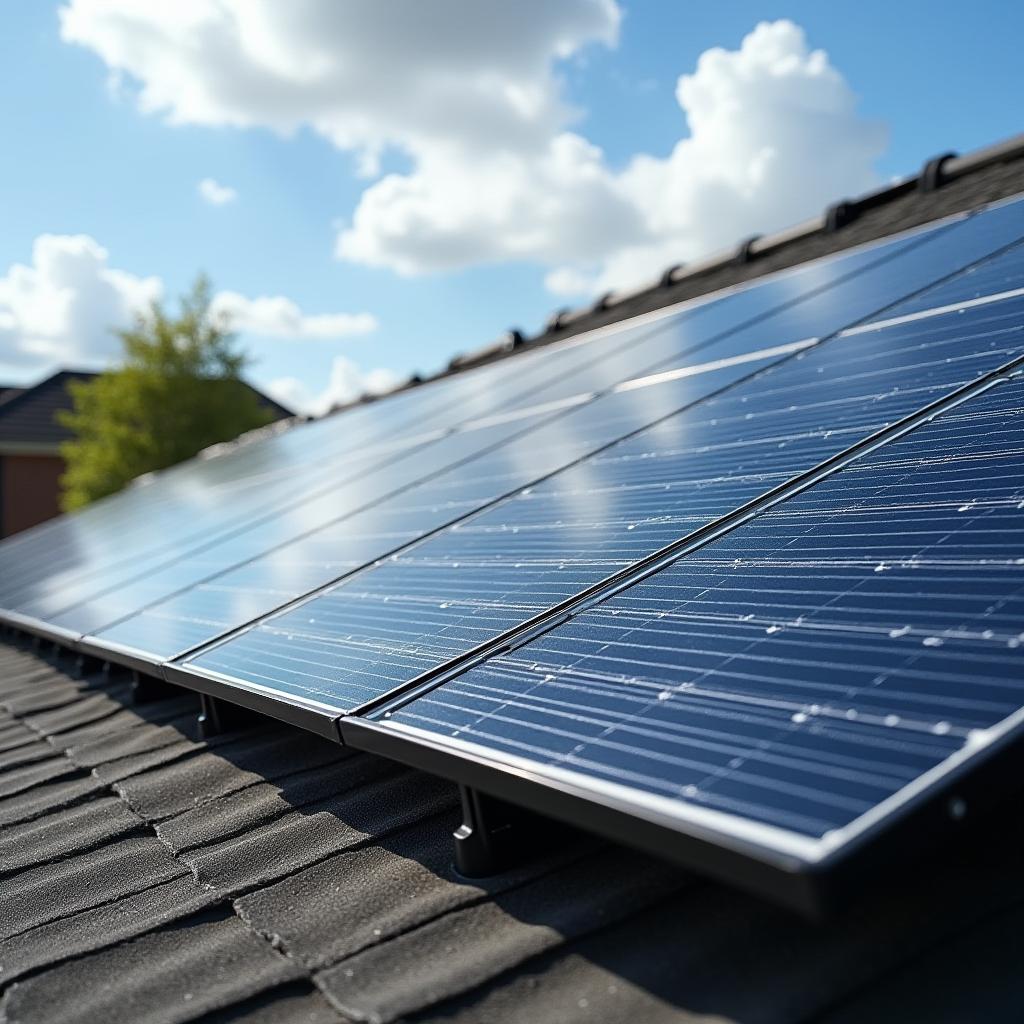
Solar panels have come a long way since their inception, evolving from bulky, utilitarian structures into sleek, high-tech systems that enhance both the energy efficiency and visual appeal of homes. Modern advancements in materials, design, and technology have transformed solar panels into a desirable feature for homeowners seeking sustainability without compromising aesthetics.
In this blog, we’ll explore how solar panels have become more visually appealing, powerful, and efficient, making them a smarter and more attractive choice for eco-conscious households.
From Functional to Fashionable
In their early days, solar panels were primarily focused on functionality. Efficiency was often prioritised over appearance, resulting in designs that stood out—often for the wrong reasons. Large, blue-tinted panels with visible grid lines were common and frequently clashed with the architecture of homes.
Today, solar panels are designed with aesthetics in mind. All-black panels with concealed wiring and sleek, matte finishes have become the norm, blending seamlessly with roofs. Frameless designs and integrated solar roofing systems take this a step further, offering a flush, uniform look that complements modern and traditional architectural styles alike.
This shift toward attractive designs ensures that homeowners no longer have to choose between style and sustainability.
Boosted Power in a Smaller Package
As solar technology has advanced, efficiency has dramatically improved. Earlier solar panels typically achieved efficiency rates of around 10%, meaning they converted only a small fraction of sunlight into usable electricity. To generate significant power, large installations were required—posing challenges for homes with limited roof space.
Modern panels, by contrast, boast efficiencies of 20% or higher. This leap in performance has been achieved through innovations such as:
- Advanced Photovoltaic Materials: Cutting-edge materials like monocrystalline silicon enable panels to capture more sunlight in less space.
- Anti-Reflective Coatings: These coatings maximise light absorption, even in cloudy or low-light conditions.
- Enhanced Cell Designs: Technologies like multi-busbar and half-cut cells reduce energy loss and improve durability.
These advancements mean homeowners can now generate more electricity with fewer panels, freeing up roof space for additional uses or preserving the home’s aesthetic integrity.
Durability Meets Style
Efficiency and aesthetics are just part of the equation; durability is equally important. Modern solar panels are built to withstand the elements, ensuring they remain both effective and visually appealing for decades.
Key features include:
- Weather-Resistant Materials: Panels are designed to endure high winds, heavy rain, and even hail, making them well-suited to the UK’s unpredictable weather.
- Low Degradation Rates: Innovations in manufacturing have significantly reduced the rate at which panels lose efficiency over time, ensuring consistent power output for 25 years or more.
- Temperature Tolerance: New designs maintain high efficiency even in extreme temperatures, further improving reliability.
These qualities ensure that today’s solar panels not only perform well but also retain their sleek appearance over their lifespan.
Integration with Smart Energy Solutions
Solar panels are now part of a broader shift toward smarter, more integrated energy systems. Many installations can be paired with battery storage, allowing homeowners to store excess energy for use during evenings or cloudy days. Monitoring systems, often app-based, provide real-time insights into energy production and consumption, empowering users to optimise their usage.
This combination of functionality, control, and style has made solar panels a central feature of modern energy-conscious homes.
Why Aesthetics Matter
As renewable energy adoption grows, so too does the importance of visual appeal. Homeowners increasingly view solar panels not as a necessary compromise but as an enhancement to their property’s value and appearance.
Architects and designers are also embracing this trend, incorporating solar solutions into their plans for new builds and renovations. The result is a growing market of homes that prioritise both energy independence and curb appeal.
The Future of Solar Design and Efficiency
The evolution of solar panels shows no signs of slowing down. Emerging technologies promise even greater efficiencies, thinner designs, and innovative formats, such as transparent solar panels for windows or tiles that double as roofing.
As these technologies become mainstream, the gap between functionality and aesthetics will continue to close, making solar panels an even more appealing choice for homeowners worldwide.
Conclusion
Solar panels have undergone a remarkable transformation, evolving into powerful, efficient, and visually stunning systems that enhance any home. By combining cutting-edge technology with thoughtful design, modern panels offer homeowners the best of both worlds: sustainability and style.
Whether you’re drawn to the environmental benefits or the sleek aesthetic, there’s never been a better time to embrace solar energy for your home. With continual advancements on the horizon, the future of solar power looks brighter—and more beautiful—than ever.